Tree Pruning in Westminster: Professional Care for Safer, Healthier Trees
If you are looking for tree pruning in Westminster, you are probably trying to solve one of a few common problems: branches that have grown too close to windows or roofs, a tree that is blocking light, limbs hanging over a pavement or driveway, or a mature tree that simply needs careful shaping and maintenance. In a busy part of London like Westminster, good pruning is about more than appearance. It helps protect people, buildings, and the trees themselves while keeping gardens, courtyards, and shared spaces looking tidy and well cared for.
Westminster has a mix of property types that bring their own challenges. There are period townhouses, mansion blocks, mews properties, terraces, modern apartments with communal landscapes, commercial premises, church grounds, schools, and public-facing spaces where safety matters every day. Trees in these settings often need thoughtful, precise pruning rather than heavy-handed cutting. A local team understands how to work around limited access, parking restrictions, tight front gardens, shared boundaries, and the practical needs of residents, landlords, managers, and business owners.
Whether you need seasonal maintenance, crown reduction, deadwood removal, thinning, or clearance from structures, the right service should focus on the condition of the tree, the space around it, and the result you want. Tree pruning in Westminster is best handled by people who can balance the tree’s health, the site’s safety, and the look of the property. If you are planning work soon, this page will help you understand what is included, how the process works, what affects cost, and why choosing a local service makes such a difference.
Why Tree Pruning Matters in Westminster
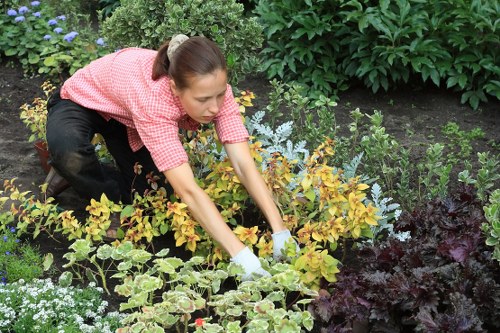
Pruning is not simply about trimming back branches. Done correctly, it supports the long-term structure of the tree, reduces risk, and can improve light, airflow, and access. In Westminster, where trees may be close to homes, footpaths, roads, and neighbouring buildings, pruning can also help reduce nuisance issues such as overhanging growth, leaf build-up in gutters, and branches rubbing against walls, fences, or windows.
Many local property owners find that regular pruning saves them trouble later. A tree that is lightly maintained every few years is often easier and safer to manage than one left unchecked until it becomes too large for its location. This is especially relevant in central London, where mature trees are often part of a carefully planned streetscape or private garden and need to stay balanced with the surrounding space.
There is also the visual side to think about. Well-pruned trees can enhance a courtyard, front garden, commercial entrance, or communal outdoor area. The aim is not to make every tree look identical, but to keep its natural form while removing what is weak, crowded, unsafe, or out of place. Professional tree pruning services in Westminster are designed to do exactly that.
Common Reasons Customers Request Pruning

People contact a tree surgery team for pruning for many different reasons, and they are not always urgent. Some want to improve the shape and appearance of an established tree. Others need branches lifted away from a roofline or cut back from a boundary. In some cases, a tree may be blocking natural light from a living room, office, or shared garden, and selective pruning can help restore brightness without removing the tree altogether.
Safety is another major reason. Dead, damaged, or weak limbs can fall unexpectedly, especially after wind, heavy rain, or seasonal stress. In built-up parts of Westminster, this is a concern not just for homeowners, but also for managing agents, landlords, shop owners, and site supervisors who are responsible for keeping a premises safe for residents, staff, and visitors.
Tree pruning may also be requested to support healthy growth. If a crown has become overcrowded, thinning can improve air circulation and reduce rubbing between branches. If a tree is too heavy on one side, selective reduction may help balance the canopy. Tree pruning in Westminster is often about making practical improvements that protect the tree while solving a real site issue.
Types of Tree Pruning We Commonly Carry Out
Different trees and different locations call for different approaches
Not every tree needs the same treatment. A mature plane tree in a larger courtyard will need a different approach from a small ornamental tree in a townhouse garden. The pruning method should be chosen based on species, age, condition, location, and your aims for the space. A good local team will always look at the whole picture before recommending work.
Some of the most common pruning services requested across Westminster include crown reduction, crown thinning, crown lifting, deadwood removal, formative pruning, and selective branch removal. Each serves a different purpose. Some are focused on risk reduction, others on light and clearance, and some on helping younger trees develop a strong and healthy structure.
Below is a simple breakdown of the main pruning types you may hear about when discussing your job:
- Crown reduction – reducing overall height or spread while keeping a balanced, natural shape.
- Crown thinning – removing selected branches to let more light and air through the canopy.
- Crown lifting – raising the canopy by removing lower branches for clearance over paths, driveways, or entrances.
- Deadwood removal – taking out dead or failing branches to improve safety.
- Formative pruning – shaping younger trees so they grow in a strong and useful way.
What Is Included in a Tree Pruning Service?

A proper pruning service should start with a careful assessment. The tree’s species, condition, structure, and location all matter, as do nearby targets such as buildings, parked vehicles, footpaths, and overhead wires. In Westminster, where many sites have limited access and busy surroundings, this assessment is especially important. It helps ensure the work is done safely and with the right equipment.
Typical pruning work may include the planned removal of selected branches, careful shaping of the canopy, removal of dead or damaged limbs, and clearing branches away from buildings or boundary lines. The team should also manage the site responsibly, which may involve protecting nearby surfaces, using appropriate access methods, and clearing away branches and green waste once the work is complete.
You can usually expect the following as part of a well-run service:
- Initial inspection of the tree and surrounding area
- Discussion of the work required and the outcome you want
- Safe pruning using suitable climbing or access equipment
- Careful branch removal with attention to tree health
- Cleanup of arisings and debris from the working area
- Advice on any follow-up care or future maintenance
Tree pruning in Westminster should always be tailored to the site rather than treated as a one-size-fits-all task.
How the Service Works
From first enquiry to finished site
Many customers want to know how the process works before they book. That is understandable, especially if the tree is near a building, shared access route, or busy street. A well-organised service should be straightforward and clear from the start.
First, the tree is assessed so the work can be planned properly. This is when the team identifies the pruning method likely to suit the tree and checks for practical issues such as access, parking, fragile surfaces, nearby utilities, and whether neighbours or building managers need to be informed. In Westminster, these logistics can matter just as much as the pruning itself.
On the day of the work, the team should arrive prepared with the right tools and a safe approach to access. After pruning is completed, the site is tidied and waste removed. If any further work is needed later, such as ongoing maintenance for a mature tree or a follow-up inspection after seasonal growth, this can be discussed as part of the booking.
What customers often appreciate
Customers usually value clear communication, minimal disruption, and a tidy finish. This is especially important in residential blocks, business premises, and communal properties where work needs to fit around other people. Good planning helps reduce disturbance and keeps the process efficient.
Why a Local Westminster Tree Team Is Useful

Choosing a local company for tree pruning in Westminster can make a real difference to how smoothly the job runs. Westminster is not a place where tree work can be approached casually. Access may be tight, streets may be busy, and parking can be limited or restricted. A local team is more likely to understand how to plan around these conditions and work efficiently without causing unnecessary disruption.
There is also the question of property type. A courtyard tree at a residential block may need different handling from trees in the grounds of a hotel, office, school, or heritage property. Local experience helps with this. A team that regularly works in and around Westminster is more likely to understand the demands of mixed-use buildings, shared boundaries, and high-footfall areas.
Another benefit is responsiveness. When a branch becomes a concern after bad weather or when a tree begins to interfere with access, a local service can often assess the issue more quickly. That can be reassuring if you are a facilities manager, landlord, or homeowner who wants the problem dealt with before it grows into a larger job.
Local knowledge matters because the best pruning decisions are not made in isolation. They are made with the location in mind, including access, safety, neighbours, and the character of the property.
Westminster Property Types and Real-World Challenges
What makes tree pruning here a little different
Westminster has a variety of buildings and outdoor spaces, and that variety creates different pruning needs. Period homes with compact front gardens may have ornamental trees that require light shaping and clearance. Larger managed estates may have more substantial planting that needs scheduled maintenance. Commercial sites often need neat presentation, safe access, and careful timing to avoid interrupting business.
Common local challenges include narrow access routes, limited on-site storage for equipment, controlled parking, basement entrances, internal courtyards, and nearby neighbours who may be affected by noise or falling debris. In some cases, trees may overhang public pavements or sit in awkward positions where dismantling branches carefully is more appropriate than trying to remove them in larger sections.
That is why the best approach is never rushed. The work should suit both the tree and the surroundings. A professional team will look at what can be pruned safely, what should be left alone, and how to leave the site as undisturbed as possible. This careful planning is especially valuable in dense parts of Westminster.
Benefits of Regular Tree Pruning

Regular pruning offers a wide range of benefits when it is carried out with the right level of care. It can improve the appearance of the tree, reduce the chance of damage from weak or overextended branches, and help the canopy remain better balanced as it grows. For many customers, it also makes their outdoor space feel more open and usable.
In a residential setting, pruning may improve daylight into rooms, reduce leaf litter in gutters, and make it easier to use a garden, driveway, or front path. In commercial and managed environments, it can help maintain a professional look while supporting safe access for staff, customers, visitors, and maintenance teams.
Healthy trees also tend to respond better to regular attention than to occasional drastic cuts. Gradual, considered pruning can preserve the tree’s structure and reduce stress. That is why many people choose to keep on top of the work rather than waiting until the tree becomes too large or problematic.
Benefits commonly include:
- Improved safety around the property
- Better light and airflow
- Cleaner, more attractive outdoor spaces
- Reduced risk of rubbing, breakage, or obstruction
- Better long-term tree structure and form
- More manageable maintenance in future years
What Affects the Price of Tree Pruning?
Factors to consider when requesting a quote
Every pruning job is different, so pricing depends on a number of practical factors. Customers often ask for an indication of cost, and while exact figures cannot be given without seeing the tree, it is helpful to understand what influences the quote.
Tree size is a major factor. A small ornamental tree in an accessible garden is typically quicker and simpler to prune than a tall mature specimen near a building. Tree condition also matters. If a tree contains a lot of deadwood, has multiple stems, or needs more careful sectional work, this can affect the time and equipment required.
Access is often one of the biggest considerations in Westminster. A tree that can be reached directly from a garden may be straightforward, while one in a courtyard, behind a building, or above a restricted parking zone may require additional planning. Disposal of waste, traffic management needs, and whether the site is residential or commercial can also influence the final quote.
When you request a quote, it is useful to mention:
- The type and approximate size of the tree
- What you want done, such as reduction, lifting, or deadwood removal
- Any access restrictions or parking concerns
- Whether the tree is near a building, wall, or road
- If the property is private, managed, or commercial
Preparation Checklist for Customers
Simple steps that help the work go smoothly
Preparing for tree work does not need to be complicated. A few small steps can make the job easier and help the team work efficiently. This is particularly useful in Westminster, where access and timing can be important.
Before the appointment, it helps to clear any small garden items, secure pets, and make sure the team can reach the tree and the working area. If the tree is in a shared space, it may be worth notifying neighbours, residents, or building management so everyone knows what is happening.
If parking is limited, consider whether any arrangements are needed so equipment can be unloaded close to the site. If the tree overhangs a public area or sits near an entrance used by others, it can also be helpful to plan the work for a time that causes the least disruption.
Preparation checklist:
- Move cars, bikes, garden furniture, and fragile items
- Keep pets and children away from the work area
- Let neighbours or building managers know if needed
- Check for access gates, keys, or entry instructions
- Make space for equipment and waste removal where possible
Areas Covered Around Westminster
Customers in and around Westminster often need pruning for a wide range of properties, from private homes to larger managed sites. Local teams commonly work across central London neighbourhoods where access, timing, and site sensitivity matter. If you are based near Westminster, you may also be looking after trees close to areas such as Pimlico, Victoria, St James’s, Belgravia, Mayfair, Marylebone, Fitzrovia, Covent Garden, and the surrounding central districts.
This is especially useful for landlords, residents’ associations, businesses, schools, places of worship, and property managers who need a service that can fit around the demands of a busy environment. Whether the work is for a single tree or a group of trees, a local service should be able to adapt to the setting.
Because Westminster includes both quiet residential streets and busy commercial routes, an experienced team will always consider the context before starting work. That means choosing the right pruning method, arranging the right access, and completing the job in a way that suits the property and the people who use it.
Signs Your Tree May Need Attention
Do not wait until the problem becomes obvious
Some trees need pruning because they are actively causing a problem, but others show earlier signs that maintenance would be sensible. Spotting those signs can help you act before minor issues become more serious. If you are unsure, an inspection can often clarify whether pruning is the right solution.
Look out for branches that are touching walls, windows, or roofs; canopies that are dense enough to block a lot of light; dead or cracked limbs; branches crossing and rubbing against each other; or growth that makes access awkward near paths, entrances, and driveways. Trees that have recently been affected by wind may also need attention if limbs have shifted or broken.
In a built-up area like Westminster, even a small problem can become inconvenient quickly. Overhanging branches may affect neighbours, obstruct a public footway, or create maintenance issues with gutters and rooflines. Tree pruning in Westminster is often booked for exactly these practical reasons.
FAQs About Tree Pruning in Westminster
Answers to common customer questions
How often should a tree be pruned?
It depends on the species, age, condition, and location of the tree. Some trees need attention every few years, while others need lighter, less frequent maintenance. A local inspection is the best way to decide on timing.
Will pruning damage the tree?
Proper pruning should support the tree rather than harm it. The key is to remove the right branches in the right way and avoid excessive cutting. Poor pruning can cause stress, so technique matters.
Can pruning help with too much shade?
Yes, in many cases selective pruning or crown thinning can improve daylight without removing the tree. The aim is to reduce density while keeping the tree healthy and balanced.
Do I need permission for tree work?
Some trees may be protected or subject to local controls. If that is the case, the work needs to be checked before it is carried out. A professional team should raise this early during the assessment stage.
Is pruning suitable for all trees?
Most trees can benefit from some form of pruning, but the method has to suit the species and condition of the tree. In some cases, a tree may need minimal intervention rather than more extensive work.
Can you work in shared gardens or managed developments?
Yes, many pruning jobs take place in shared spaces, provided access and site arrangements are clear. This is common in Westminster, where communal courtyards and managed properties are widespread.
Why Customers Choose Professional Tree Pruning Rather Than DIY
It can be tempting to cut back a few branches yourself, especially if they look small or easy to reach. However, tree work is rarely as simple as it first appears. Branches can be heavier than expected, cuts can affect the tree’s future growth, and working at height brings real safety risks. In a busy urban setting, there is also the issue of falling debris, nearby property, and public access.
Professional pruning brings the right tools, the right approach, and the experience to make sensible decisions on site. A trained team can reduce the chance of damage, handle awkward access, and finish the job neatly. For many customers, that peace of mind is the main reason they book a specialist rather than trying to manage it alone.
If you want the work completed safely, tidily, and with the tree’s long-term health in mind, tree pruning in Westminster is best left to experienced arboricultural professionals. That is especially true where trees are mature, protected, or close to buildings and shared spaces.
Book Your Tree Pruning Service
Ready to improve the safety and appearance of your trees?
Whether you need a single branch removed, a full canopy reduction, or ongoing maintenance for a larger property, a local team can help you choose the right level of work. If your tree is causing concern, affecting light, or simply needs to be brought back into shape, now is a good time to get it assessed.
Contact us today to discuss your requirements, request a free quote, or book your service now. A straightforward conversation is often all it takes to identify the best pruning option for your tree and your property. If you are in Westminster and want a professional, tidy, and practical result, arranging the work sooner can help prevent larger issues later.
Tree pruning in Westminster should be handled with care, local knowledge, and attention to the details that matter on real sites. From private gardens to commercial premises, the right service can make your trees safer, healthier, and better suited to the space around them.